What is a solar PPA in simple terms?+
A solar PPA is an agreement where you buy electricity from a solar system installed on your property, but you do not own the system itself.
As solar energy becomes more accessible, many homeowners and business owners are exploring different ways to go solar without large upfront costs. One option that often raises questions is the Power Purchase Agreement, commonly known as a solar PPA. If you are researching solar and trying to understand financing options, you may be asking a simple but important question: what is a solar PPA, and is it worth it compared to owning a system outright?
This guide explains how solar PPAs work, how they compare with ownership, and what to consider before choosing this type of agreement. The goal is to help buyers who are unsure about solar financing make informed decisions based on cost, contract terms, and long-term value.
Koi Roofing and Solar works with property owners who want clear, practical information about solar systems and how they fit into a broader roofing and energy strategy. Understanding PPAs is an important part of that decision-making process.
A solar Power Purchase Agreement is a financing arrangement where a third-party solar provider installs, owns, and maintains a solar system on your property. Instead of buying the system, you agree to purchase the electricity it produces at a fixed rate for a set period of time.
In simple terms, what is a solar PPA comes down to this: you pay for the power, not the panels.
The system is installed on your roof or property, but ownership remains with the solar provider. You benefit from the energy generated, often at a lower rate than your local utility, while avoiding the upfront cost of purchasing a system.
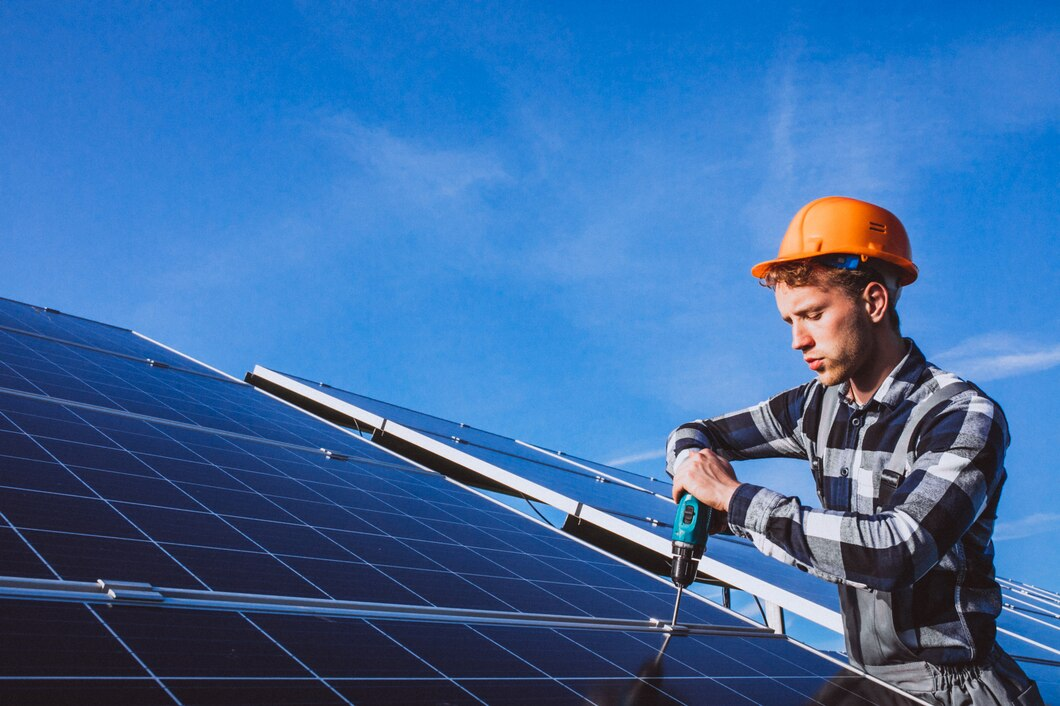
Under a solar PPA, the solar company handles the system design, permitting, installation, and ongoing maintenance. Because the provider owns the system, they are responsible for repairs, monitoring, and performance.
The homeowner or business owner allows the system to be installed on their property but does not take ownership of the equipment.
Once the system is operational, you agree to purchase the electricity it generates at a predetermined price per kilowatt-hour. This rate is usually lower than standard utility rates, though it may increase slightly over time depending on the contract.
You only pay for the electricity the system produces, not a fixed loan payment.
Most solar PPA contracts last between 15 and 25 years. During this period, the terms of energy pricing, escalators, and responsibilities are defined in detail.
At the end of the contract, you may have options to renew the agreement, purchase the system, or have it removed, depending on the provider.
One of the main reasons buyers consider PPAs is the lack of upfront expense. Installing solar panels outright can be a significant investment, while a PPA typically requires little to no initial payment.
This makes solar more accessible for property owners who want to reduce energy costs without committing large capital.
With a solar PPA, the electricity rate is agreed upon in advance. This can provide more predictable energy costs compared to utility rates, which often fluctuate.
For budget-conscious homeowners and businesses, this stability can be appealing.
Since the solar provider owns the system, they are responsible for maintenance and performance. This reduces the operational burden on the property owner and ensures the system is professionally managed.
Understanding the difference between a PPA and owning a solar system is essential when deciding which option is right for you.
With ownership, you purchase the solar system outright or finance it with a loan. You own the equipment, control how it is used, and benefit from its full value over time.
With a PPA, the provider retains ownership, and your role is limited to purchasing electricity.
A solar PPA may offer lower initial costs, but long-term ownership often results in greater savings over the life of the system. Owners benefit from free electricity once the system is paid off, while PPA customers continue paying for power throughout the contract.
When comparing PPA vs ownership, it is important to consider total cost over 20 to 25 years, not just short-term savings.
Solar tax credits and incentives generally go to the system owner. In a PPA, these benefits are claimed by the provider, not the homeowner.
When you own a system, you may be eligible for federal and local incentives that significantly reduce the overall cost.
Before entering into a PPA, it is critical to understand the contract terms. These agreements can be complex, and details matter.
Many PPAs include an annual rate increase, often called an escalator. While the initial rate may be attractive, small annual increases can add up over time.
Review how the rate changes and compare it to projected utility price increases.
Some PPAs include performance guarantees, ensuring the system produces a minimum amount of electricity. If production falls short, the provider may compensate you.
Understanding these guarantees helps protect against underperformance.
If you plan to sell your property during the contract term, you need to understand how the PPA transfers to a new owner. Some buyers may be hesitant to take over a long-term solar agreement.
This factor is especially important for homeowners who may move before the contract ends.
Whether a solar PPA is worth it depends on your goals, financial situation, and long-term plans.
A PPA may be suitable if you want access to solar energy with no upfront cost, prefer not to manage maintenance, and are comfortable with a long-term contract. It can also be an option for property owners who do not qualify for tax incentives.
Ownership may be a better fit if you plan to stay in your property long term, want maximum financial benefit, and can afford the initial investment or financing. Over time, owning a system often provides higher returns and greater flexibility.
Working with experienced professionals, such as Koi Roofing and Solar, can help evaluate whether your roof, energy usage, and financial goals align better with a PPA or ownership model.
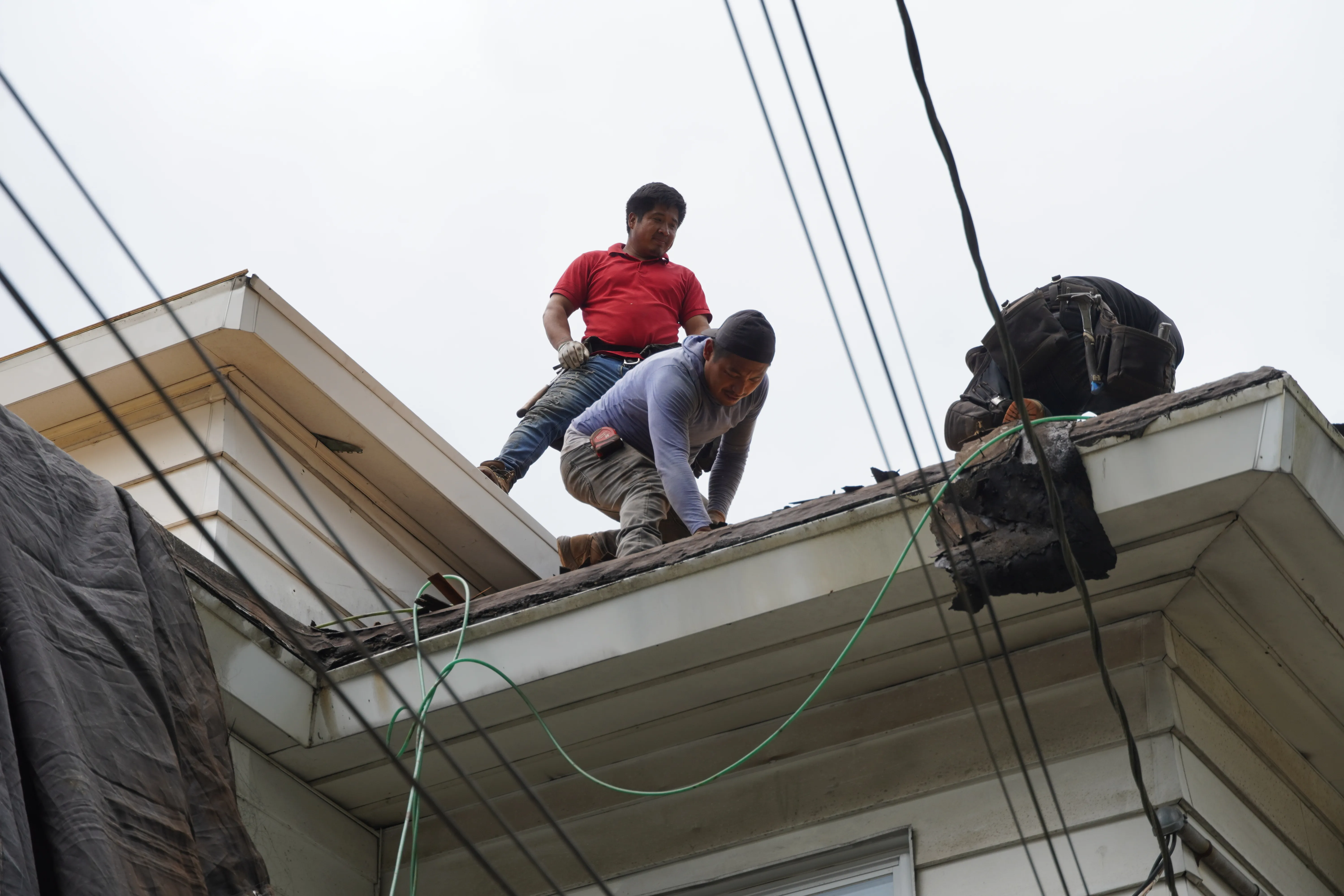
Before installing solar under any financing model, the condition of your roof is critical. Since PPA contracts can last decades, installing solar on an aging or damaged roof can lead to complications later.
Roof repairs or replacements should be addressed before system installation to avoid future disruption.
Companies like Koi Roofing and Solar consider both roofing and solar together. This integrated approach helps ensure that solar installations are compatible with long-term roof performance, regardless of whether you choose a PPA or ownership.
A solar PPA does not mean free panels. You are paying for the electricity generated, and the cost continues for the duration of the contract.
Savings depend on contract terms, electricity rates, and usage patterns. Some PPAs provide modest savings, while others may not outperform ownership or traditional financing.
While similar, PPAs and solar leases are not identical. A PPA charges based on electricity produced, while a lease typically involves a fixed monthly payment regardless of production.
Look beyond initial savings and calculate the total cost over the full contract term. Compare this with the estimated cost of ownership.
Check options for early termination, system purchase, and transferability. Flexible terms can reduce risk if your situation changes.
Since the provider owns the system, their long-term stability matters. A financially sound provider is more likely to honor maintenance and performance commitments.
Understanding what a solar PPA is an important step for anyone exploring solar energy without upfront investment. While PPAs can make solar accessible, they are not the right solution for every buyer. Comparing PPA vs ownership, reviewing contract details, and considering your long-term plans are essential parts of the decision.
Koi Roofing and Solar emphasizes informed choices that align with both energy goals and property conditions. Whether you choose a PPA or system ownership, clarity and planning are key to making solar work for you over the long term.